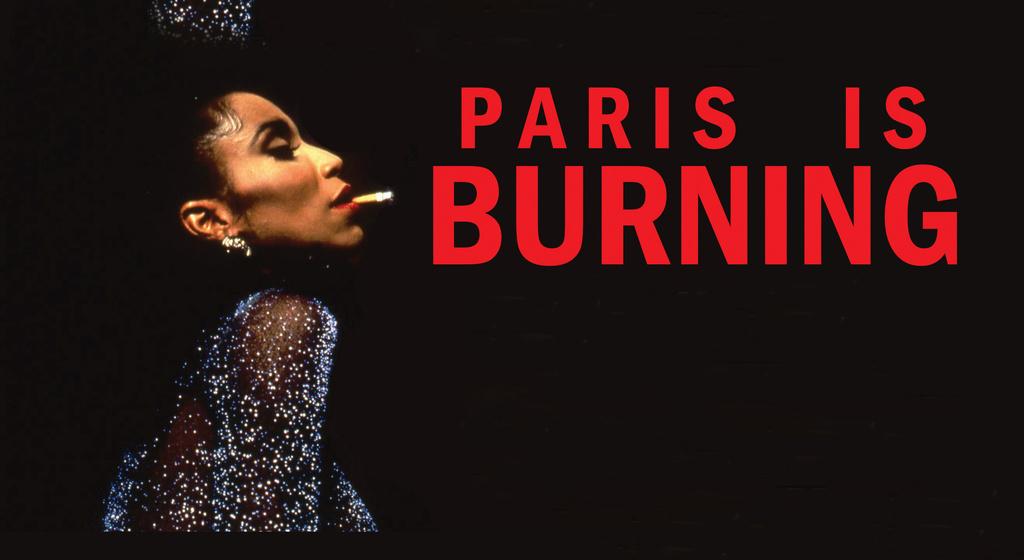
The film Paris is Burning is a monumental film that continues to offer criticism from the LGBTQ+ and POC community. Due to the fact that this film focuses on the intersectionality of the queer and person of color community, creates a more convoluted approach when watching and analyzing this film. Personally, I’ve watched this film in a prior queer studies class where we look at wether or not this was an appropriate film to show children in order to educate them about this fascinating “ball” community. I was unsure of my answer. On one side, I’m ecstatic that this minority group of Trans, Queer, POC intersection is being shown on this type of platform. On the other hand I can’t 100% trust the authenticity of it due to the fact that it was directed by a cis-white (lesbian) female, who could have easily exploited these cast members. However, the class readings did open up my eyes to the more “behind the scenes” aspect of the film and just how much it impacted queer cinema.
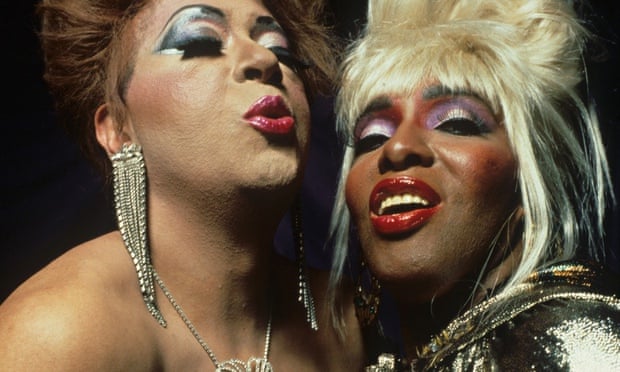
Bell Hooks article, “Black Looks: Race and Representation”, was the article that I agreed with most and was the most enlightening for me. Hooks criticism about the film Paris is Burning deals mainly with the notion of race; and how race plays a crucial role in this film, on top of other minorities and intersections. Hooks uses the term “whiteness” a lot to oppose it to “blackness”. This fact alone creates this concept throughout the film that white people are superior to black people, and that black people recognize this and strive to be as “white” as possible. I found this to be very bizarre; mainly the fact that the black gay men in the film didn’t want to be a black women, but specifically, a white women. This notion became even more drastic when Hook elaborates on the fact that these black gay men view the patriarchal whiteness life as “the only meaningful life there is” (149). I think this creates a very toxic mindset for both the participants of the film and the viewers.

This concept of a superior race also translates to a superior sexuality. That sexuality being no other than straight or heterosexual. This is exemplified in Paris is Burning by the ball category “straight realness” which is gay men trying to look as straight as possible and then getting rated on how well they “passed”. Ironically, white people now use these gay black phrases that were used in the balls; mostly with no knowledge of their origin. For example “vogueing, shade, realness” are a few words that hear many white cis-gendered people use and doubt that they know the origin.
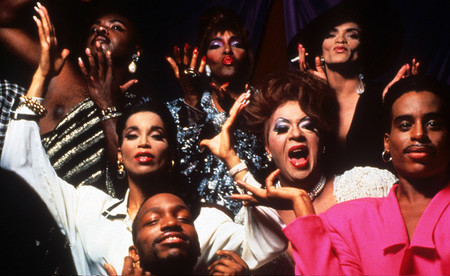
Overall I do believe that it was important that this film was made. This is such a niche group of people that many don’t know exist. I, being in the LGBTQ+ community didn’t even know about this community before watching the film. I think I would have enjoyed it better if it was created by someone actually in this community.
 Kelsey Hamrick
Hi! Same sentiments here! It’s eerie to think about a white filmmaker behind the camera during interviews with subjects idealizing “whiteness” and desiring to be white, but when I think about it, they are saying these things out of their own volition (we hope) and seem to truly feel that way. So, while it is toxic and upsetting, it’s so important that someone captured that. If that is truly what the attitude was, the documentary should reflect those feelings. However, while the filmmaker feels very detached from the project, it’s impossible to deny that bias is inevitable in filmmaking so her fingerprints still remain. The authorship of this film is so tricky to grapple with but I’m ultimately grateful to have seen it.
LikeLike